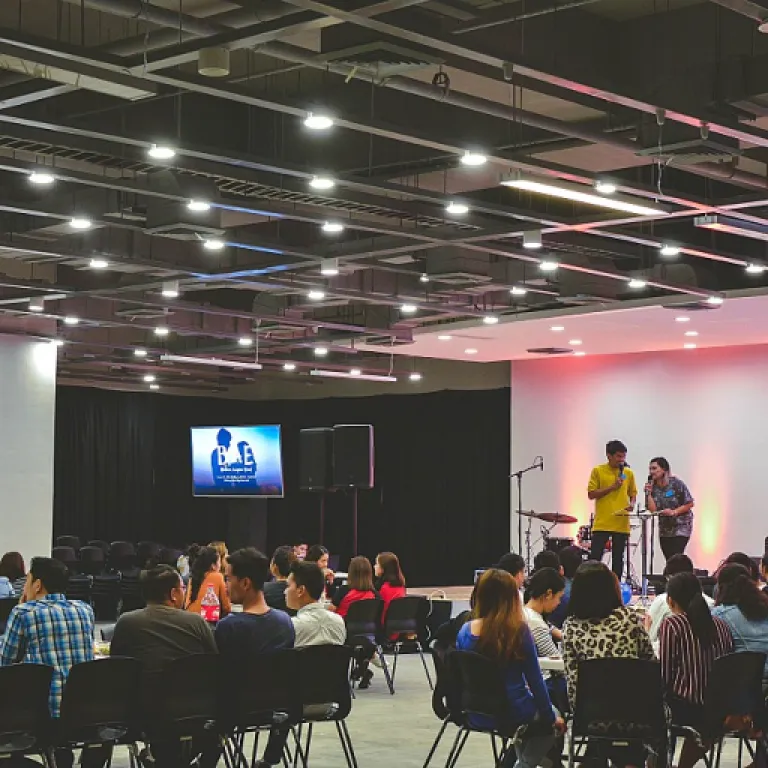
Why employee appreciation events matter for engagement and retention
Employee appreciation events have become a strategic lever for engagement retention. When a team experiences meaningful recognition, employees feel a stronger bond with their work and with colleagues. This emotional connection helps each employee feel valued and more committed.
Forward looking HR leaders now treat every appreciation day as a designed experience, not a last minute gesture. They align employee recognition with business priorities, using appreciation initiatives to reinforce culture and performance expectations. In this way, celebrating employee achievements becomes both human and operationally relevant.
Thoughtful appreciation gifts and activities can reduce turnover and strengthen trust. When employees receive a well chosen gift or participate in fun team building, they often report higher wellness and motivation. Over time, these appreciation initiatives support a culture where hard work is visible and rewarded.
National employee celebrations, such as an appreciation week or a specific appreciation day, offer a shared moment for the whole organisation. Some companies use a full week with themed days to highlight different aspects of work and team spirit. Others focus on one key day march or day april to anchor their recognition calendar.
Hybrid work has pushed organisations to rethink employee appreciation events in virtual formats. A virtual appreciation day can include online games, digital gifts, and wellness sessions that help employees feel connected. When designed well, these virtual days can be as impactful as on site celebrations.
Strategic HR teams now map recognition moments across the year, from day september to day october and beyond. They integrate national employee milestones, friday march celebrations, and september national campaigns into a coherent plan. This structured approach ensures that employees feel valued consistently, not only during peak periods.
Designing employee appreciation events that reflect company culture
Effective employee appreciation events always start with culture, not with logistics. HR leaders first clarify what they want employees to feel during the day and week of celebrations. They then create appreciation initiatives that mirror those cultural values in concrete ways.
For example, a learning focused culture might design appreciation gifts around books, mentoring sessions, or skill building workshops. A wellness oriented culture could organise a wellness day with yoga, nutrition coaching, and mental health talks. In both cases, the team ensures that every employee recognition moment reinforces the same cultural narrative.
Many organisations now blend in person and virtual formats to reach all employees. A hybrid appreciation day march might combine an on site breakfast with a virtual town hall and online team building. This approach allows remote team members to participate fully and feel valued alongside colleagues at the office.
Timing also matters when planning national employee celebrations. Some companies align their main appreciation day april with business milestones, while others prefer a quieter period like day september. A few even run a full appreciation week in march to connect with broader national campaigns.
When designing events, HR innovators increasingly collaborate with transformation hubs such as the TTI innovation center for human resources transformation. These partnerships help teams test new recognition ideas, digital tools, and data driven approaches. The result is a more personalised experience where employees feel both seen and supported.
Careful planning of days, activities, and gifts ensures that celebrating employee contributions never feels generic. Each appreciation day becomes a curated journey, from the first message to the final thank you. Over time, this consistency strengthens culture and deepens engagement retention across all teams.
Balancing fun, wellness, and performance in appreciation initiatives
Modern employee appreciation events must balance fun with meaningful impact. A team that only organises parties risks missing deeper drivers of employee recognition and loyalty. Conversely, a purely formal appreciation day may fail to energise employees.
Innovative HR teams therefore design appreciation initiatives that integrate fun, wellness, and performance. They might schedule a wellness workshop during the appreciation week, followed by a fun virtual quiz that highlights team achievements. This mix allows employees to relax while still connecting the day to their hard work and results.
Virtual formats have expanded the range of possible activities for both a single day and multi day events. Companies now host virtual escape rooms, digital appreciation gifts ceremonies, and online wellness challenges. These experiences help employees feel included regardless of location and time zone.
To keep celebrating employee contributions relevant, HR leaders often align events with key dates such as day march, day april, or day october. Some organisations also participate in september national campaigns that highlight national employee recognition. These anchor points make it easier to plan a coherent calendar of appreciation days and weeks.
Experimentation plays a central role in this evolution, supported by spaces like HR transformation labs. The article on the role of transformation labs in HR innovation shows how structured experimentation can refine recognition ideas. By testing different formats, teams learn which appreciation gifts and activities truly make employees feel valued.
Ultimately, the most effective appreciation day blends enjoyment with a clear message about performance. Employees should leave the event with a sense of pride in their work and in their team. When this balance is achieved, engagement retention and culture both benefit significantly.
Using data and feedback to improve employee appreciation events
Leading HR teams now treat employee appreciation events as continuous improvement projects. After each appreciation day or appreciation week, they collect data on participation, sentiment, and engagement retention. This evidence helps them refine future appreciation initiatives and better support every employee.
Feedback from team members is especially valuable for understanding how employees feel. Short surveys after national employee celebrations can reveal whether people truly feel valued or simply entertained. Open comments often surface new ideas for gifts, activities, and timing across different days.
Some organisations integrate recognition metrics into their broader HR analytics. They track correlations between employee recognition efforts, wellness indicators, and retention over time. When celebrating employee contributions aligns with lower turnover, HR leaders can justify further investment in appreciation gifts and events.
Data also helps optimise the mix between virtual and in person formats. If virtual sessions during a friday march celebration show higher attendance, teams may expand online activities. Conversely, if on site team building during day september drives stronger feedback, they may prioritise physical gatherings.
Strategic HR functions increasingly collaborate with business transformation experts to interpret these insights. Resources such as this analysis of how a business transformation consultant drives innovation in human resources highlight the value of data informed change. By combining analytics with qualitative feedback, organisations can create more targeted appreciation initiatives.
Over several cycles, this approach turns each appreciation day march, day april, or day october into a learning opportunity. The calendar of national employee events becomes a structured experiment in culture building. As a result, employees feel progressively more recognised, and engagement retention improves across teams.
Making appreciation inclusive for all employees and teams
Inclusive employee appreciation events ensure that every employee, in every team, feels recognised. HR leaders must consider different roles, schedules, and personal situations when planning each appreciation day. This attention to detail signals that the organisation truly wants all employees to feel valued.
Shift workers, part time staff, and remote team members often miss traditional celebrations. To address this, companies now repeat key activities across several days or offer virtual options. A flexible appreciation week allows people to join when their work and time constraints permit.
Language and symbolism also matter when celebrating employee contributions. Appreciation gifts should respect cultural diversity, dietary needs, and accessibility requirements. When employees see their identities reflected in the event, they experience deeper employee recognition and belonging.
National employee celebrations, including september national campaigns, can be adapted to local contexts. A global organisation might mark day march or day april differently in each region while keeping core messages consistent. This balance between global themes and local execution strengthens culture without erasing differences.
Team building activities should be designed so that all team members can participate comfortably. Instead of only physical challenges, HR teams can mix wellness sessions, creative workshops, and virtual games. This variety ensures that hard work in every function, from operations to knowledge work, receives fair appreciation.
By mapping participation across days, weeks, and locations, HR can identify gaps in inclusion. If certain employees or teams rarely attend appreciation initiatives, targeted outreach can address barriers. Over time, inclusive design turns every appreciation day september or day october into a unifying experience.
Integrating appreciation into everyday work, not just special days
While employee appreciation events are powerful, they cannot stand alone. Employees feel most engaged when recognition is woven into daily work, not limited to a single appreciation day. This requires managers and HR to create simple, repeatable habits of employee recognition.
Micro moments of appreciation can complement larger national employee celebrations. A quick thank you message, a small gift, or a shout out in a team meeting can reinforce the impact of an appreciation week. These gestures remind team members that their hard work matters between day march and day october.
Digital tools now make it easier to sustain appreciation initiatives over time. Peer to peer recognition platforms allow employees to send virtual kudos and appreciation gifts instantly. When integrated with performance and wellness programs, these tools help employees feel valued throughout the year.
Managers play a central role in celebrating employee contributions in real time. They can link recognition to specific behaviours, projects, or customer outcomes during regular one to ones. This practice turns everyday work into a continuous appreciation day for the team.
Calendar based events such as friday march celebrations, day april milestones, or september national campaigns then become amplifiers. Instead of isolated days, they act as peaks in a landscape of ongoing recognition and culture building. Employees experience both the excitement of events and the stability of daily respect.
When organisations align events, tools, and manager behaviours, engagement retention improves significantly. Employee appreciation events remain important, but they sit within a broader system of trust and recognition. In such environments, employees feel consistently valued and more likely to stay and grow.
Planning a strategic annual calendar for employee appreciation
A strategic annual calendar helps HR teams coordinate employee appreciation events with business cycles. By mapping key dates such as day march, day april, day september, and day october, they can plan recognition waves. This structure ensures that no team or employee segment is overlooked.
Many organisations start with national employee milestones and september national campaigns. They then add internal celebrations, such as project completions or innovation awards, to create a rich appreciation week or series of days. This layered approach keeps celebrating employee achievements relevant to both culture and performance.
Within the calendar, HR can alternate between large scale events and targeted appreciation initiatives. A company wide virtual celebration in friday march might be followed by smaller team building sessions in early spring. Later in the year, a wellness themed appreciation day september can address fatigue and support resilience.
Gift planning also benefits from an annual view, allowing for thoughtful appreciation gifts that match each moment. Early in the year, practical work tools or learning vouchers may resonate, while later days might focus on wellness experiences. This variety helps employees feel that recognition is personalised rather than repetitive.
Cross functional collaboration is essential when designing this calendar, involving HR, communications, and business leaders. Together, they can align appreciation day themes with strategic priorities, customer cycles, and culture goals. This integrated planning turns employee recognition into a lever for both morale and results.
Over time, a well managed calendar teaches employees to expect regular, meaningful appreciation. Each event, from virtual gatherings to on site celebrations, reinforces the message that hard work matters. In such environments, employees feel valued, teams grow stronger, and engagement retention becomes a measurable outcome.
Key statistics on employee appreciation and engagement
- Organisations that implement structured employee recognition programs report significantly higher engagement retention compared with those that do not.
- Regular appreciation initiatives, including both virtual and in person events, are associated with measurable reductions in voluntary turnover.
- Employees who feel valued through consistent appreciation gifts and recognition moments are more likely to recommend their employer.
- Companies that align national employee celebrations with business goals often see improved performance metrics in the following quarter.
- Teams that participate in recurring team building and wellness focused appreciation days report higher levels of trust and collaboration.
Frequently asked questions about employee appreciation events
How often should organisations host employee appreciation events ?
Most organisations benefit from at least one major appreciation day or appreciation week each year, supported by smaller quarterly initiatives. The key is to combine these events with everyday recognition so employees feel valued consistently. Frequency should match organisational capacity while still maintaining authenticity and impact.
What makes an employee appreciation event genuinely meaningful ?
Meaningful events connect directly to the organisation’s culture and to specific examples of hard work. Employees should understand why they are being recognised and how their contributions support broader goals. Personalisation, thoughtful appreciation gifts, and sincere communication all increase the perceived value of the event.
How can remote employees be included in appreciation initiatives ?
Remote employees can join virtual celebrations, receive digital or mailed gifts, and participate in online team building. Hybrid formats that combine on site and virtual elements help ensure equal access to recognition. Clear communication and flexible scheduling across days and time zones are also essential.
How should HR measure the impact of appreciation events ?
HR teams can track participation rates, feedback scores, and changes in engagement retention after events. They may also monitor correlations between appreciation initiatives, wellness indicators, and turnover metrics. Combining quantitative data with qualitative comments provides a fuller picture of impact.
What budget considerations are important for employee appreciation programs ?
Budgets should account for gifts, logistics, virtual tools, and time spent planning and attending events. Many organisations find that even modest investments can yield strong returns when appreciation is well targeted. Transparency about budget limits also helps manage expectations while maintaining trust.
Sources: Gallup, CIPD, Society for Human Resource Management (SHRM).
