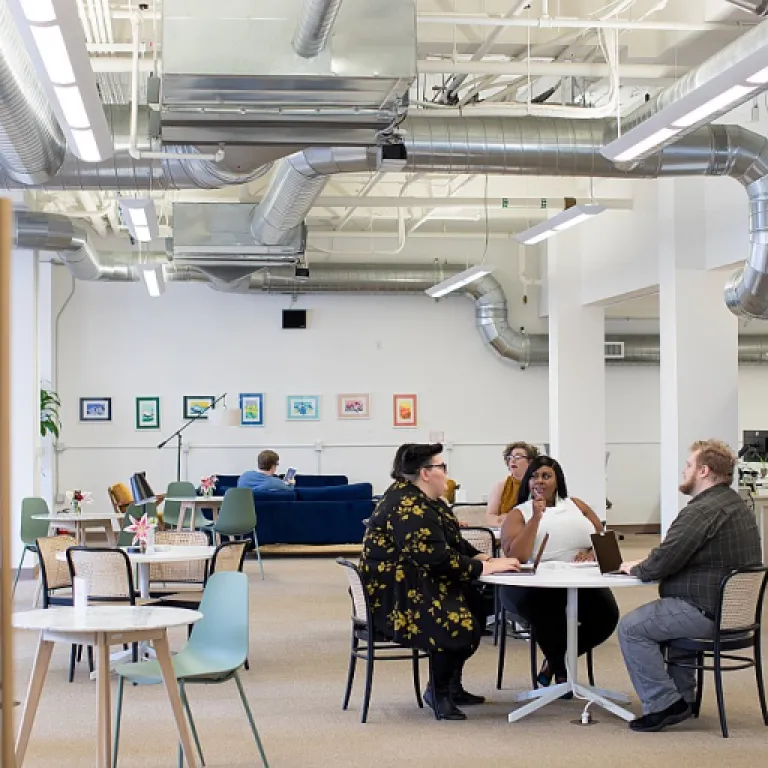
Understanding the link between growth mindset and innovation
Why Growth Mindset Fuels Workplace Innovation
Innovation in human resources is not just about adopting new technologies or processes. It starts with the way employees and leaders think about learning, development, and change. A growth mindset, as opposed to a fixed mindset, is the belief that skills and abilities can be developed through effort, feedback, and continuous learning. This mindset culture creates an environment where employees feel empowered to take risks, learn from mistakes, and adapt to new challenges.
Organizations that foster growth mindsets see greater success in driving innovation. When leaders create a culture that values learning and growth, team members are more likely to experiment, share ideas, and collaborate. This helps employees learn and grow together, making it easier to adapt to change and support continuous improvement.
- Growth mindset: Encourages employees to view challenges as opportunities for development
- Fixed mindset: Can limit innovation by making employees fear failure or avoid new experiences
- Leadership: Plays a key role in fostering growth by modeling openness to feedback and learning
- Organizational culture: Shapes how team members respond to change and support each other’s growth
Business leaders who prioritize a growth culture help employees feel safe to innovate and try new approaches. This is especially important in HR, where the pace of change is accelerating and new skills are needed to keep up. By embracing growth and continuous learning, organizational leadership can drive both individual and organizational success.
For a deeper look at how innovative HR practices are transforming the field, explore this insightful article on HR innovation.
Identifying barriers to innovation in human resources
Recognizing What Holds Back Innovation in HR
Innovation in human resources often starts with a growth mindset, but several barriers can prevent organizations from fostering growth and continuous learning. Understanding these obstacles is crucial for leaders who want to create a culture where employees feel empowered to learn and grow.
Common Obstacles to Growth and Innovation
- Fixed mindset culture: When organizational leadership or team members believe that skills and abilities are static, employees may hesitate to take risks or suggest new ideas. This fixed mindset can stifle development and limit success.
- Lack of psychological safety: If employees fear negative feedback or repercussions for mistakes, they are less likely to experiment or share innovative solutions. A supportive environment is essential for fostering growth and encouraging employees to embrace change.
- Rigid processes and outdated systems: Traditional HR practices and inflexible procedures can slow down innovation. When teams are bound by strict rules, it becomes difficult to adapt or introduce new ways of working.
- Insufficient leadership support: Leaders play a key role in shaping mindset culture. Without visible commitment from business leaders to continuous improvement and learning, efforts to foster growth may lose momentum.
- Limited opportunities for skill development: Employees need access to learning resources and growth development programs. Without these, the potential for continuous learning and innovation is reduced.
Organizational Challenges and the Role of Modern HR Solutions
Many organizations are also challenged by resource constraints or a lack of specialized expertise. This can make it difficult to implement new initiatives or support a culture of innovation. Modern approaches, such as fractional HR support, are helping to address these gaps by bringing in external knowledge and flexible solutions. These strategies can help leaders create an environment where fostering growth and continuous improvement becomes part of everyday work.
By identifying and addressing these barriers, organizations can begin to shift from a fixed mindset to a growth mindset culture. This lays the foundation for the practical steps that help employees learn, adapt, and drive innovation in HR teams.
Practical ways to encourage a growth mindset in HR teams
Creating a Safe Space for Growth and Feedback
For innovation to thrive in human resources, leaders must foster a culture where employees feel safe to share ideas, make mistakes, and learn from feedback. A growth mindset culture encourages team members to view challenges as opportunities for development, not as threats to their competence. This approach helps shift the organizational mindset from fixed to growth, making it easier for employees to adapt to change and continuously improve their skills.
Encouraging Open Dialogue and Continuous Learning
Business leaders play a crucial role in fostering growth by modeling curiosity and openness to learning. When leaders create an environment where feedback is constructive and regular, employees are more likely to embrace growth and seek out new learning opportunities. This mindset culture supports continuous improvement and helps team members develop the confidence to innovate at work.
- Host regular team discussions focused on lessons learned and new ideas
- Encourage employees to ask questions and challenge the status quo
- Provide access to learning resources and development programs
- Recognize and celebrate growth and effort, not just outcomes
Empowering Employees to Take Ownership of Their Growth
Empowering employees to take charge of their own development is essential for fostering a growth mindset. Organizational leadership can support this by setting clear expectations for learning and providing opportunities for skill development. When employees feel trusted to make decisions and learn from their experiences, they are more likely to contribute to innovation and organizational success.
Addressing Barriers and Building Trust
Barriers such as fear of failure, lack of feedback, or a fixed mindset can hinder innovation. Leaders should actively work to remove these obstacles by promoting psychological safety and encouraging open communication. For example, implementing proactive HR strategies can help prevent issues like harassment, which can stifle creativity and learning. For more insights, see this article on proactive HR strategies that support a healthy, innovative workplace culture.
By embracing growth mindsets and prioritizing continuous learning, HR teams can help employees learn, grow, and drive meaningful innovation throughout the organization.
Integrating growth mindset into recruitment and onboarding
Embedding Growth Mindset Principles in Hiring Practices
Recruitment and onboarding are pivotal moments for shaping an organizational culture that values growth and innovation. By integrating growth mindset principles into these processes, business leaders can set the stage for continuous learning and adaptability from day one.- Crafting Job Descriptions: Highlight the importance of learning, adaptability, and development in job postings. This attracts candidates who are eager to learn and grow, rather than those with a fixed mindset focused solely on existing skills.
- Interview Questions: Use questions that explore how candidates have responded to feedback, embraced change, or demonstrated resilience. This helps identify individuals who thrive in a growth culture and are open to continuous improvement.
- Assessment Methods: Incorporate practical assessments that evaluate how candidates approach challenges and learn from setbacks. This reveals their potential for growth and innovation, not just their current abilities.
Onboarding for a Culture of Continuous Learning
The onboarding phase is a unique opportunity to reinforce a growth mindset culture. Organizational leadership can:- Share Success Stories: Present examples of team members who have embraced growth, learned new skills, and contributed to innovation. This helps new employees feel inspired and understand the value placed on learning and development.
- Encourage Early Feedback: Foster an environment where feedback is seen as a tool for growth. Encourage employees to seek and give constructive feedback from the start, helping them adapt and learn quickly.
- Set Growth-Oriented Goals: Work with new hires to set goals that focus on learning and skill development, not just immediate performance. This signals that the organization values progress and continuous improvement.
Leadership’s Role in Fostering Growth from the Start
Leaders create the tone for a mindset culture by modeling openness to feedback and a willingness to learn. When organizational leadership demonstrates a commitment to growth, team members are more likely to embrace change and pursue innovation. This approach helps employees feel supported as they develop new skills and adapt to evolving business needs. By embedding growth mindset values into recruitment and onboarding, organizations lay the foundation for a culture where continuous learning, adaptability, and innovation are not just encouraged but expected. This proactive approach supports long-term growth and organizational success.Supporting continuous learning and adaptability
Building a Culture of Ongoing Development
Supporting continuous learning and adaptability is essential for fostering growth and innovation in any organization. When employees feel encouraged to learn and grow, they are more likely to embrace change and contribute to a dynamic workplace. A growth mindset culture does not happen by accident—it requires intentional actions from organizational leadership and business leaders who prioritize development and continuous improvement.
Strategies for Encouraging Continuous Learning
- Promote open feedback: Leaders create an environment where feedback is seen as an opportunity for growth, not criticism. This helps team members move away from a fixed mindset and see challenges as chances to develop new skills.
- Offer diverse learning opportunities: Encourage employees to participate in workshops, online courses, and cross-functional projects. This variety supports different learning styles and helps employees develop a broad set of skills.
- Recognize and reward growth: Organizational leadership should celebrate both effort and achievement. Recognizing employees who take risks and learn from mistakes reinforces the value of continuous learning and adaptability.
- Encourage knowledge sharing: Fostering growth means creating spaces where team members can share what they learn. Peer-to-peer learning sessions or internal knowledge bases help spread innovation across the organization.
- Support leadership development: Equip leaders with the tools to model a growth mindset. When leaders demonstrate adaptability and a willingness to learn, it sets the tone for the entire team.
Embedding Growth Mindset into Daily Work
To truly foster growth, organizations must integrate continuous learning into everyday work. This includes setting aside time for development, encouraging experimentation, and making learning goals part of performance discussions. When employees see that learning is valued, they are more likely to adopt a growth mindset and contribute to a culture of innovation.
Ultimately, embracing growth and supporting ongoing development helps organizations stay agile and competitive. By prioritizing continuous learning, business leaders can help employees adapt to change, drive innovation, and achieve long-term success.
Measuring the impact of a growth mindset on workplace innovation
Tracking Progress and Outcomes
Measuring the impact of a growth mindset on workplace innovation is essential for organizational leadership aiming to foster growth and continuous improvement. When leaders create a culture that values learning and development, it’s important to track how these efforts translate into real business outcomes. This helps business leaders understand whether their strategies are helping employees learn, grow, and innovate.
Key Metrics for Growth Mindset Impact
- Employee Engagement: Regular surveys can reveal if employees feel empowered to learn and take risks. High engagement often signals a healthy growth mindset culture.
- Innovation Output: Track the number of new ideas, projects, or process improvements generated by team members. This reflects how well the organization is fostering innovation and encouraging employees to contribute.
- Learning and Development Participation: Monitor participation rates in training, workshops, and continuous learning programs. Increased involvement suggests employees value growth and development opportunities.
- Feedback Utilization: Assess how feedback is given and received. A growth mindset culture encourages open, constructive feedback and shows a willingness to learn and adapt.
- Adaptability to Change: Evaluate how teams respond to change. Organizations that embrace growth mindsets tend to adapt more quickly and effectively to new challenges.
Qualitative Insights
Beyond numbers, qualitative feedback from employees can reveal how the mindset culture is experienced day-to-day. Are team members comfortable sharing ideas? Do they feel supported in their growth and development? These insights help leaders understand the nuances of fostering growth and continuous learning.
Linking Growth Mindset to Organizational Success
Ultimately, the goal is to connect growth mindset initiatives with organizational success. This means looking at how fostering growth mindsets leads to better problem-solving, more resilient teams, and a stronger culture of innovation. By regularly reviewing both quantitative and qualitative data, leaders can refine their strategies to help employees learn, grow, and drive business results.
| Metric | What It Shows | Why It Matters |
|---|---|---|
| Employee Engagement | Mindset, motivation, and participation | Indicates if employees feel valued and motivated to learn |
| Innovation Output | Number of new ideas and projects | Shows the effectiveness of fostering innovation |
| Learning Participation | Involvement in growth and development activities | Reflects a culture of continuous learning |
| Feedback Utilization | How feedback is used for improvement | Demonstrates openness to change and development |
| Adaptability | Response to organizational change | Measures resilience and growth mindset in action |
